Children are an investment, worth every penny. As a parent, it is obvious that providing a child with the right tools in life is essential to their development. However, the struggle is in finding the right tools and toys to help them learn. There are several types of toys that can fit the
Many
Montessori toys are meant to encourage curiosity, exploration, and free learning. Now, understand that
Montessori for Today picks out furniture, educational tools, toys and lifestyle items that we think are the best and most exciting, based on independent research and careful consideration. On some occasions we earn revenue (at no additional cost to you) if you click the links and buy the products. But this doesn’t affect what we choose to highlight and we will never let it bias our coverage.
What Are Montessori Toys?
Montessori toys can be anything that encourages a child’s learning process. Many of these toys are made out of natural materials like wood, wool, fabric, etc. These simple toys are not as complex as plastic electronic toys, but their high-quality designs can sometimes make them more expensive. It all depends on the brand and type of toys you want!
You can buy these toys on Amazon, Etsy, Montessori Services, as well as other stores. Some
Here are some options to choose from based on the age of the child.
Montessori Toys for Babies
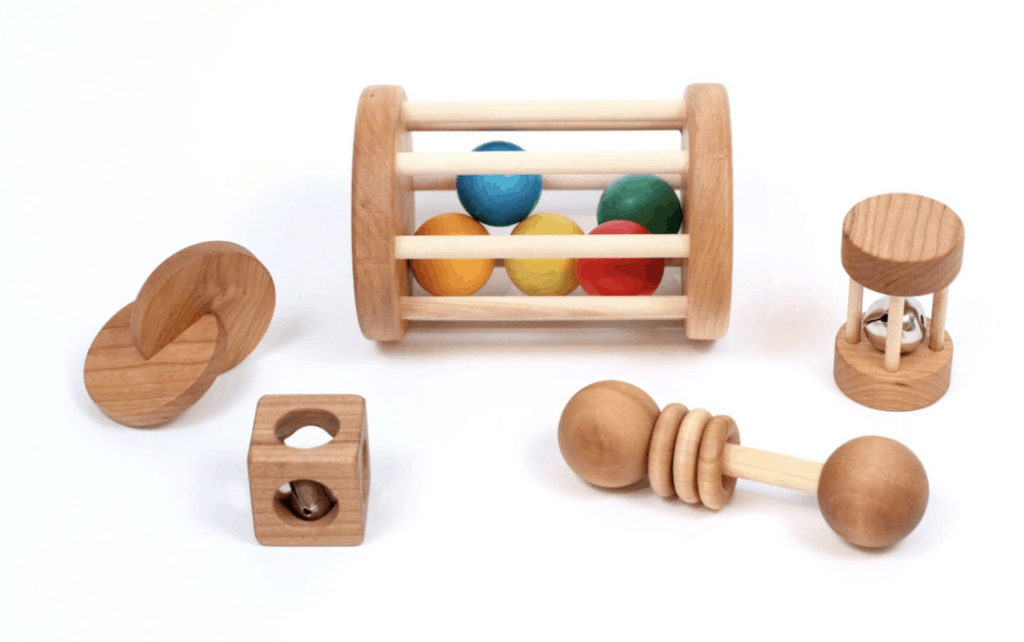
Montessori toys for infants are generally small and simple. Infants are learning skills such as spacial and body awareness, as well as motor skills such as grasping.
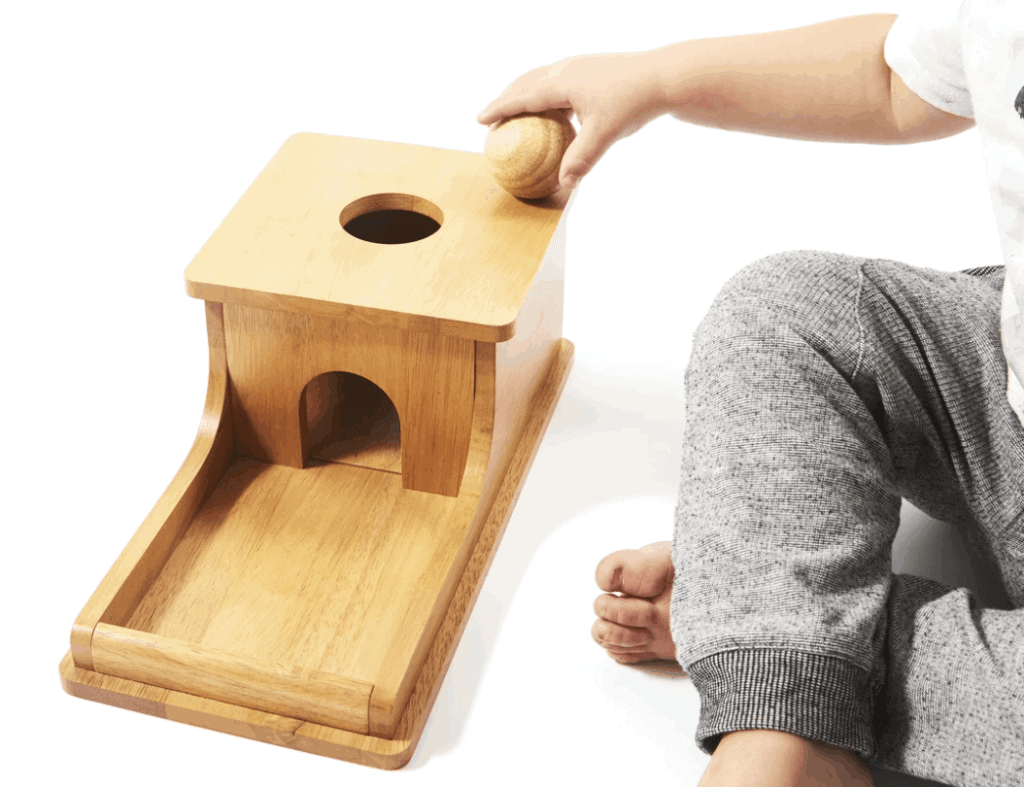
The most well-known
For more ideas, check out our full list of Montessori toys for babies.
Montessori Toys for One Year Olds

$15-30 for most individual toys/ learning sets
By this time, many kids can walk or crawl and speak a few words. One-year-olds are very, very smart and quick to learn. They pick things up pretty easily, metaphorically as well as literally! So their teaching and learning should be as organic as possible. Colors, textures, and taste are all very important for this age range.
That is why using products like wood can be good for the kids, especially if they want to taste test their toys while playing. Just make sure the wood is safely polished and treated so it won’t splinter or leave any harmful paint behind.
Again there are endless products to choose from! Try some out, see what your kids do or do not like.
For more ideas, check out our complete list of Montessori toys for one-year-olds.
Montessori Toys for Two Year Olds
$15-30 for most individual toys/ learning sets
Two-year-olds now have the ability to not only walk but run too! They are picking up on little more complex ideas and strategies than they were when they were one.
Montessori toys are geared toward helping little children learn about the environment around them. Maria
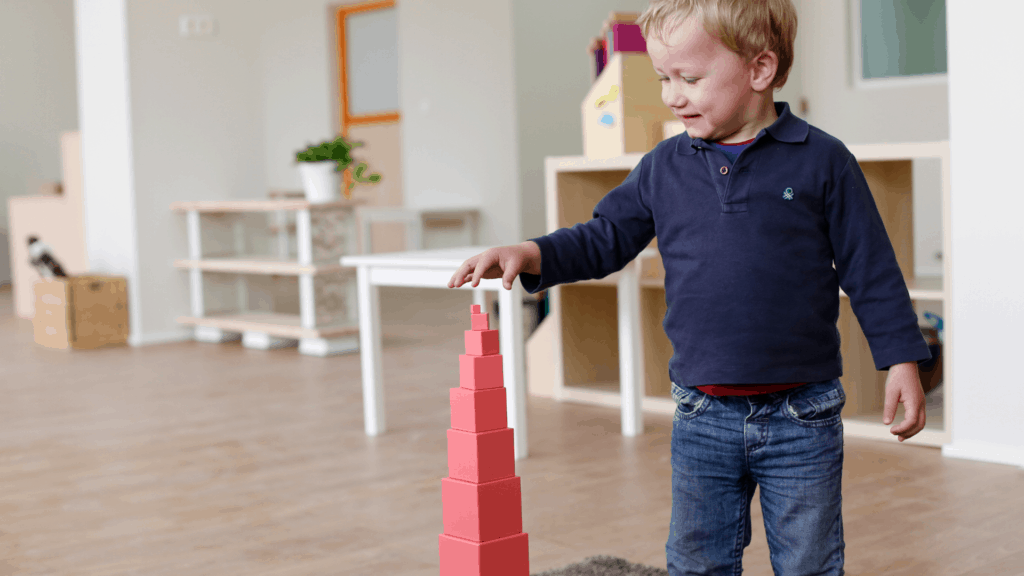
The popular Montessori pink tower is often introduced at age 2 or 3.
More expensive items that are popular for this age (and throughout toddlerhood) include the Pikler triangle and Montessori learning towers (also called kitchen helpers).
For more ideas, check out our complete list of Montessori toys for toddlers.
Montessori Toys for Three Year Olds
$15-30 for most individual toys/ learning sets

3-year-olds now can repeat words being told to them and their motor skills are drastically improving now that they are a toddler! Puzzle games can be really good to stimulate the mind and help them gain spatial awareness and critical thinking. Some kids can even start counting and organizing as they play.
Learning is cultivated best in an environment where learning can happen safely, naturally, and organically. Any sort of outside force trying to control the kid’s behavior is not going to help them learn. Take Maria
Some other popular
For more ideas, check out our complete list of Montessori toys for 3-year-olds.
Montessori Toys for Four Year Olds
$20-30 for most individual toys/ learning sets, $40-$199 for larger items.
Four-year-olds can focus and have a longer attention span, getting them ready for kindergarten next year! Helping children develop reading and writing habits is going to help them so much throughout their development, lifestyles, and eventually their careers. Numbers, letters, and shapes will form the basis of their learning process here.
Using toys geared towards their growing stages is very useful. They will probably start to express interest in certain toys at this point, so you can focus on their strengths and preferences. Books, letters, and other reading toys are great for this age to become familiar with.
The wooden rainbow stacker, though not specifically a
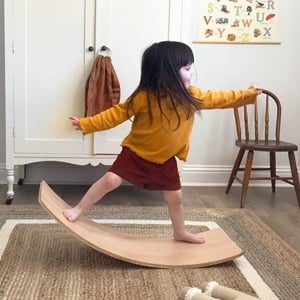
They will also become a bit more coordinated at age four, so you can use larger toy structures and interactive items to improve their balance and motor skills. This is why some four-year-old toys can become a bit more expensive. A balance board is great for this age, and a Nugget couch has also become a popular item that is somewhat associated with
Montessori Toys for Five-Year-Olds

$20-30 for most individual toys/ learning sets
Five-year-olds are a wonderful age to play with. They are better at expressing their emotions through words now and are well on their way of communicating effectively. Typically, they are now focused on friends or just learning more about their environment. They are understanding more social aspects in their lives as they go to school or interact more with parents and siblings.
They can practice real-world skills during playtime and understand how to interact with others. Art supplies are also great for this age because they can really start to put their thoughts and ideas down on paper. It’s good practice for writing as well!
Popular items around this time are alphabet related, such as sandpaper letters and the Montessori movable alphabet.
For more ideas, check out our list of Montessori kindergarten materials.
Montessori Toys for Six Year Olds

$20-$40 for most individual toys/ learning sets
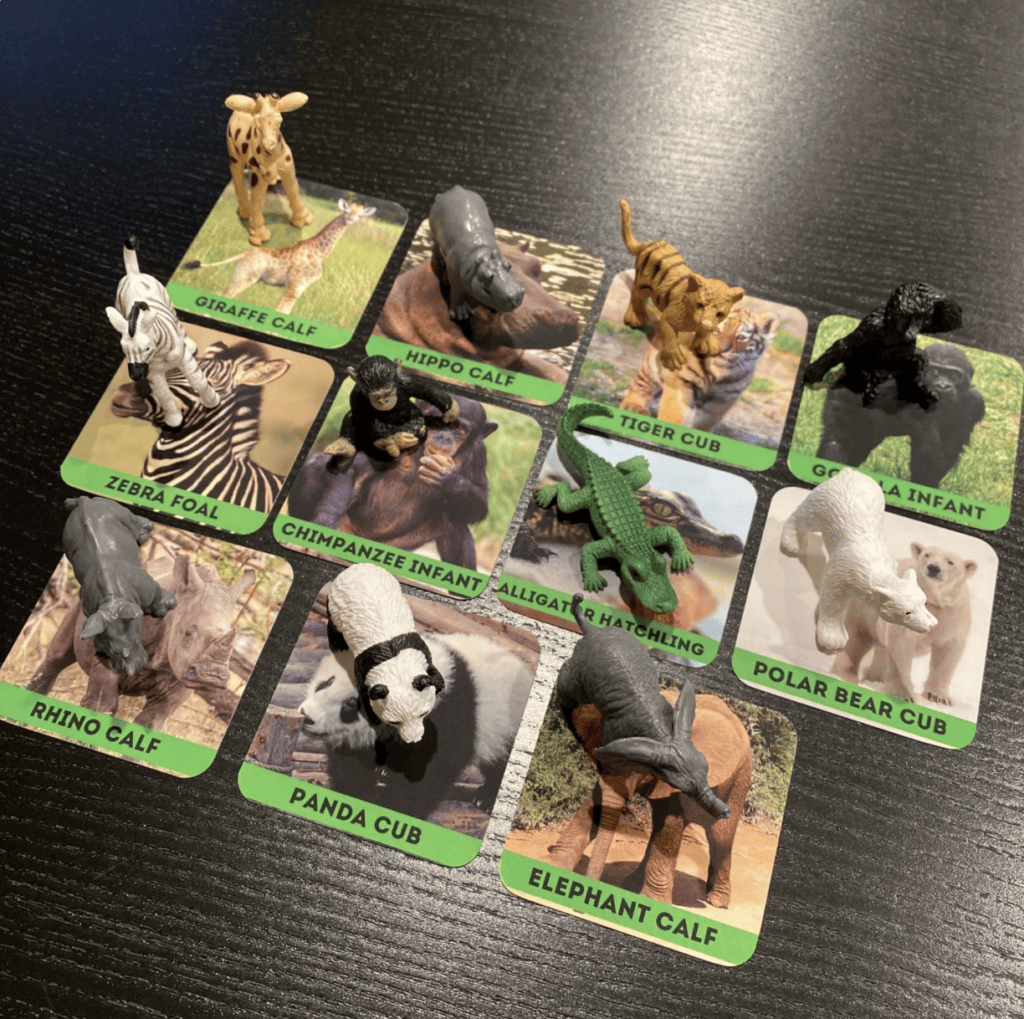
By this time kids are learning how to read and write on their very own. This is where many different interests will develop. A childhood classic is animals! To encourage learning in six-year-olds, you can try to teach them about animal behaviors, what they look like, sound like, and how they interact with humans, and other animals.
The next best thing from seeing the animals in real life could be learning about them on paper or cardboard. Books, costumes, and stuffed animals are all great options that can help children start to interpret and understand the real world.
Popular items include language materials, 3-part-cards, and Montessori math beads.